As a Denver renter, understanding basic plumbing safety is crucial to avoid costly repairs and potential health hazards. This guide offers essential tips on prevention, emergency preparedness, and hiring reliable denver affordable plumbing services. Learn how to maintain your rental’s plumbing system and ensure a safe living environment.
Why Plumbing Safety Matters for Denver Renters
Living as a renter in Denver comes with its unique set of responsibilities. One often overlooked yet critical aspect is understanding and practicing proper plumbing safety. Plumbing issues can range from minor inconveniences to major disasters, impacting not only your comfort but also your health and financial well-being. This article equips you with the knowledge to navigate plumbing emergencies, maintain a safe living space, and find reliable denver affordable plumbing services when needed.
Essential Plumbing Safety Tips for Denver Renters
1. Understand Basic Plumbing Layout
Before an emergency strikes, take time to familiarize yourself with your rental’s plumbing system. Locate the water main shut-off valve, usually found near the water meter or in the basement. Knowing how to turn off the water supply can limit damage during leaks or floods. Also, identify hot water heater settings and locations for quick access if needed.
2. Regularly Inspect for Leaks
Regular leak checks are vital to prevent plumbing disasters. Check all faucets, showerheads, and pipes for any signs of moisture or dripping. Addressing leaks promptly can save you from extensive water damage and high utility bills. If a leak occurs, act quickly by shutting off the water supply and contacting an emergency plumber near me.
3. Maintain Drain Safety
Clogged drains are a common plumbing issue. Prevent hair, grease, and other debris buildup by using drain covers and regularly cleaning catch basins. Avoid putting non-biodegradable materials down the drain to maintain optimal drainage and prevent sewer backups, which can lead to health hazards and property damage.
4. Know When to Call a Professional
Not all plumbing issues are minor. Recognize situations that require immediate professional attention:
- Severe leaks or water damage: If water is gushing out or causing extensive damage, shut off the water supply and call a licensed plumber.
- Low water pressure: Persistent low pressure suggests a problem with pipes, valves, or fixtures that needs expert diagnosis and repair.
- Toilet issues: Clogged toilets, running toilets, or toilet leaks should be addressed by a plumber to avoid further complications.
- Gas leaks: Never ignore suspicious smells or hissing sounds. Evacuate immediately and call the gas company or a professional plumber for safety.
5. Prepare for Plumbing Emergencies
Being ready for an emergency can minimize stress and damage. Keep a basic plumbing toolkit that includes:
- Plunger (for minor clogs)
- Bucket
- Safety equipment (gloves, goggles)
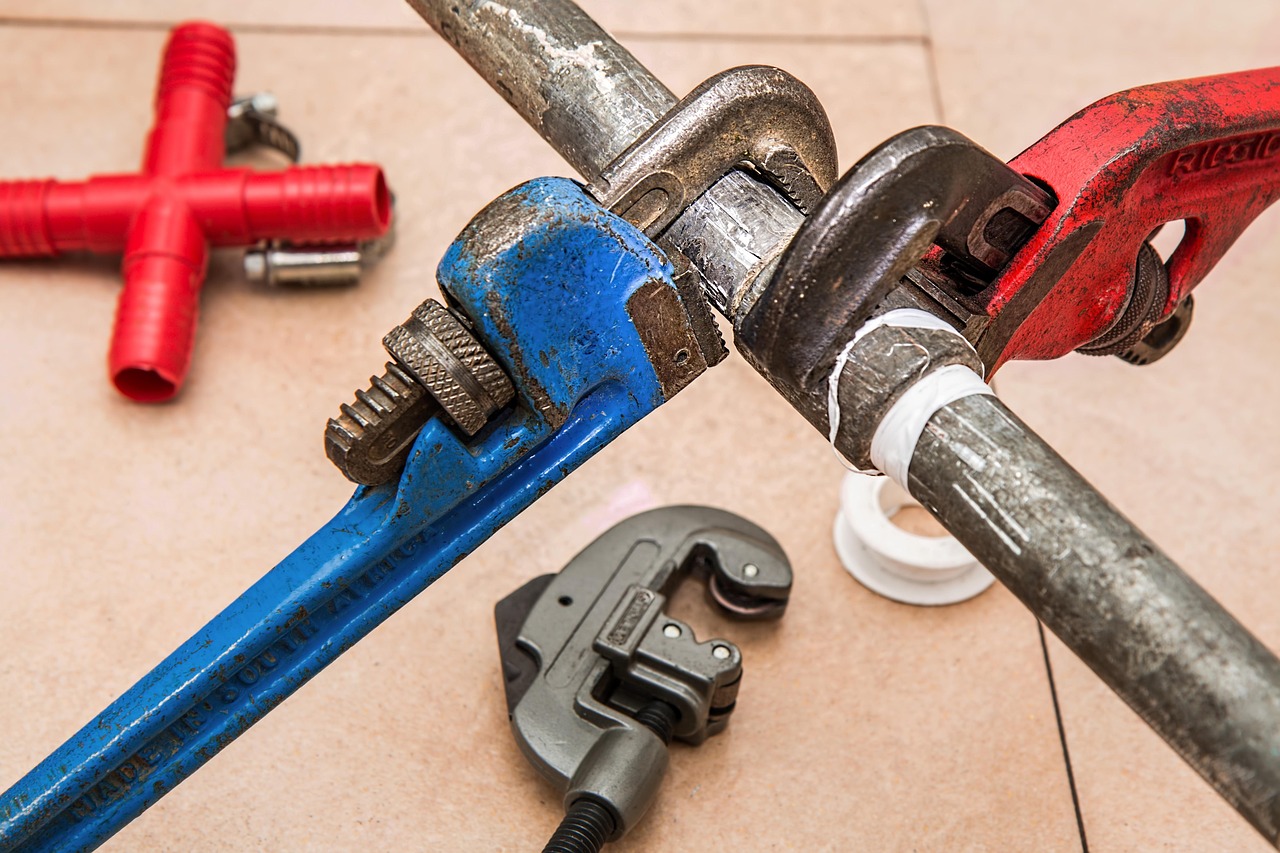
- Basic tools (wrenches, screwdrivers)
- Contact information of local emergency plumbers and insurance details
6. Hire Reputable Denver Plumbing Services
When it’s time to call a plumber, ensure you choose the best rated plumbers in Denver who are licensed, insured, and experienced. Look for companies offering:
- 24/7 Emergency Services: Plumbing emergencies don’t wait, so choose a service with round-the-clock availability.
- Same-Day Repairs: Quick response times can prevent small issues from becoming big problems.
- Transparent Pricing: Reputable plumbers provide upfront, honest estimates to avoid unexpected charges.
- Local Expertise: Hire local licensed plumbers who understand Denver’s unique plumbing challenges.
Frequently Asked Questions
-
Q: What should I do if my toilet won’t stop running?
A: Identify the source of the problem—a faulty flapper or valve, for instance. Turn off the water supply, disassemble the toilet, and clean or replace the components as needed. If it’s beyond your skill level, call a plumber. -
Q: How can I prevent pipe freezing during cold Denver winters?
A: Insulate pipes in vulnerable areas like basements and exterior walls. Allow tap water to flow slightly during extreme cold to keep water moving through pipes. Consider using heat tape or thermal insulation for added protection. -
Q: What is the average cost of a plumbing repair in Denver?
A: Costs vary based on the issue and complexity. Basic repairs like fixing a leak or unclogging drains start at around $100. More extensive jobs, such as pipe replacement or complex fixture installations, can range from $500 to $2000 or more. -
Q: How do I choose a reliable plumber when there are so many options?
A: Research local plumbers through online reviews, ask for referrals, and check their licensing and insurance. Look for companies with consistent positive feedback, transparent pricing, and experienced technicians.
Conclusion
Denver plumbing for renters is a crucial aspect of maintaining a safe, comfortable living space. By following these plumbing safety tips and understanding the importance of prompt action, you can minimize emergencies and ensure your rental’s plumbing system functions optimally. Remember to always call a licensed professional for complex issues, ensuring your peace of mind and property protection. Stay proactive, stay informed, and enjoy a worry-free Denver rental experience!